Understanding the Psychological Aspects of Being a Security Guard: Insights and Challenges
Security guards are often the unsung heroes working behind the scenes to ensure our safety. But have you ever stopped to consider the psychological challenges these professionals face daily? From the impact of irregular hours to the constant vigilance required in their role, this blog delves into the complex mental landscape of being a security guard.
The Role of a Security Guard
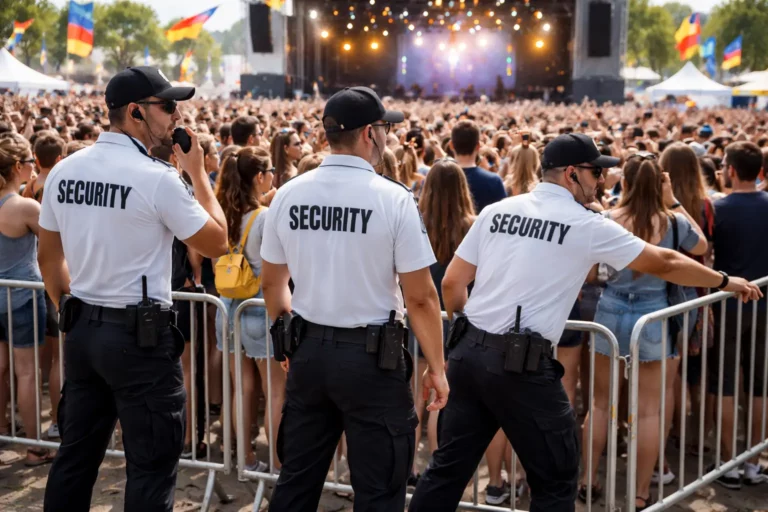
Security guards wear many hats: they monitor premises, check credentials, and sometimes intervene in emergencies. But their job goes beyond these visible duties. Security guards play a crucial role in maintaining safety and security, protecting people and property. This responsibility comes with its own set of mental and emotional demands. Let’s explore these further.
The Psychological Demands of Security Guard Work
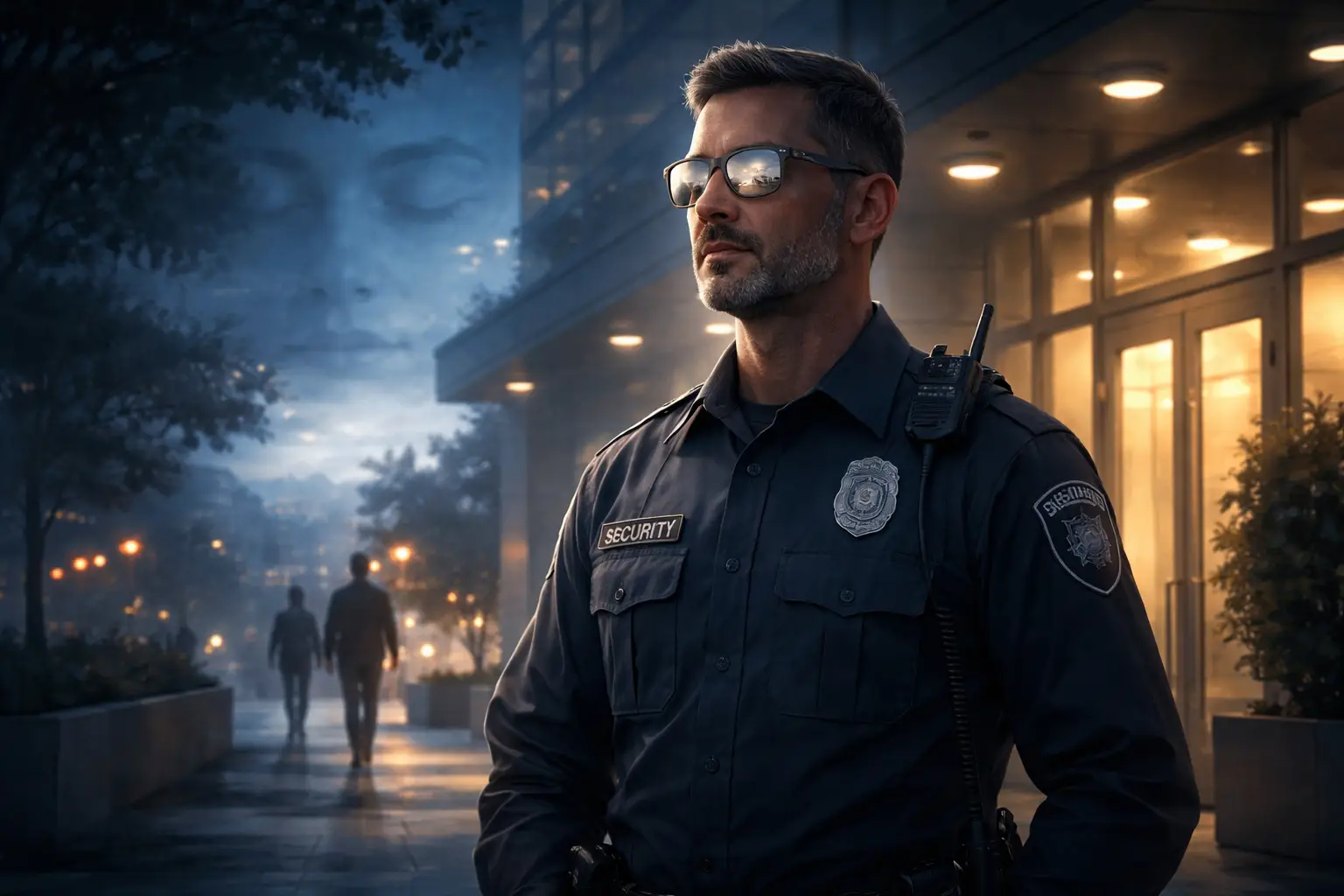
One of the central challenges for security guards is the need for persistent vigilance. Imagine always being on the lookout, attentive to everything happening around you. This constant state of alertness can take a significant toll on mental health over time.
Additionally, the effects of shift work and irregular hours can affect a guard’s psychological well-being. Many security guards work nights, weekends, and holidays, which can disrupt their personal lives and impact their mental health.
Finally, handling high-stress situations and crisis management is part of the job description. Whether it’s de-escalating a tense encounter or managing an emergency, these tasks require a high level of mental fortitude.
Common Psychological Challenges
Security guards often face a range of psychological challenges:
- Stress and Burnout: The causes of stress are numerous—long hours, potential danger, and the weight of responsibilities. This stress can lead to burnout, which has symptoms like fatigue and detachment.
- Isolation and Loneliness: Working night shifts or in solitary positions can lead to feelings of loneliness. Over time, this isolation can affect mental health and well-being.
- Threat Exposure: Being constantly aware of potential threats takes a mental toll. The anxiety stemming from possible danger can lead to long-term psychological effects.
Coping Mechanisms and Support
Thankfully, there are ways to manage these challenges effectively. Here are some strategies for security guards looking to nurture their mental health:
- Stress Management: Techniques like deep breathing, mindfulness, and regular exercise can help alleviate stress.
- Comprehensive Training: Being well-prepared for various scenarios can reduce anxiety. Training equips security guards with the skills they need to handle tough situations confidently.
- Professional Support: Access to counseling and professional mental health services can offer much-needed support.
- Supportive Work Environment: Creating an environment where colleagues support each other can be immensely beneficial. Building camaraderie among team members can help mitigate feelings of isolation.
Strategies for Employers
Employers play a vital role in their security guards’ mental health:
- Invest in Mental Health Resources: Providing access to mental health services and resources can make a significant difference.
- Promote a Positive Culture: Leadership should foster a workplace culture that values open communication about mental health issues. Encouraging discussions can destigmatize mental health challenges.
- Open Communication: Security professionals should feel comfortable discussing their mental health. This openness can lead to faster resolution of potential issues.
Conclusion
Understanding the psychological aspects of being a security guard is crucial. These professionals face unique mental challenges, and it’s essential for both the security industry and employers to prioritize mental health. As we become more aware of these challenges, we can work towards better mental health outcomes for those who protect our safety.
For anyone interested in learning more, delve into resources and training on mental health to better support security professionals.
General FAQs
What are common signs of burnout in security guards?
Burnout symptoms often include exhaustion, feeling detached from the job, irritability, and reduced performance. If you’re experiencing any of these signs, consider seeking professional help.
How can security guards manage stress effectively?
Stress management techniques such as regular exercise, engaging in hobbies, mindfulness practices, and talking to a therapist can be beneficial.
Why is mental health support crucial for security guards?
Security guards face unique pressures and potential threats that can lead to significant stress. Mental health support ensures they remain effective in their roles and maintain personal well-being.
What can employers do to support their security staff’s mental health?
Employers can invest in mental health resources, promote a positive workplace culture, encourage open communication, and offer regular training focused on mental health awareness.