How Security Guards Enhance Community Safety: Roles, Importance, and Impact
Community safety is at the heart of every thriving neighborhood. When people feel secure, they are more likely to engage with one another, contribute to local activities, and support local businesses. But what makes a community feel truly safe? While we often rely on law enforcement officers, there’s another group of unsung heroes protecting our communities—security guards. Let’s dive into understanding how security guards contribute to community safety and the invaluable role they play.
Understanding the Role of Security Guards
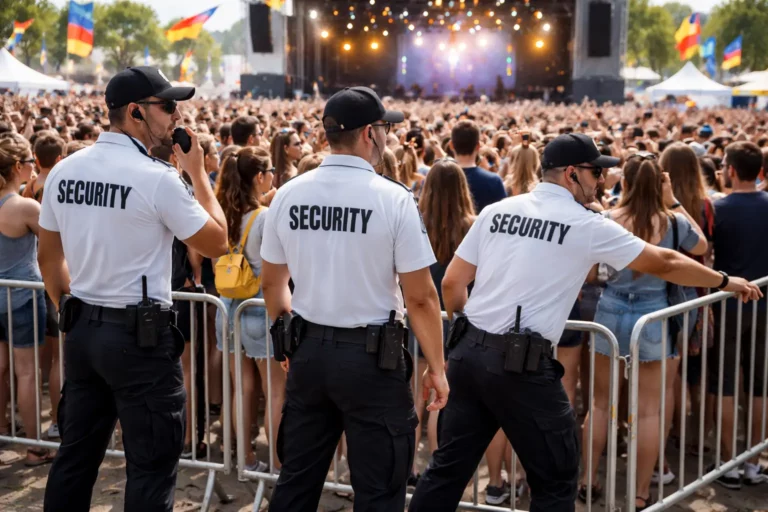
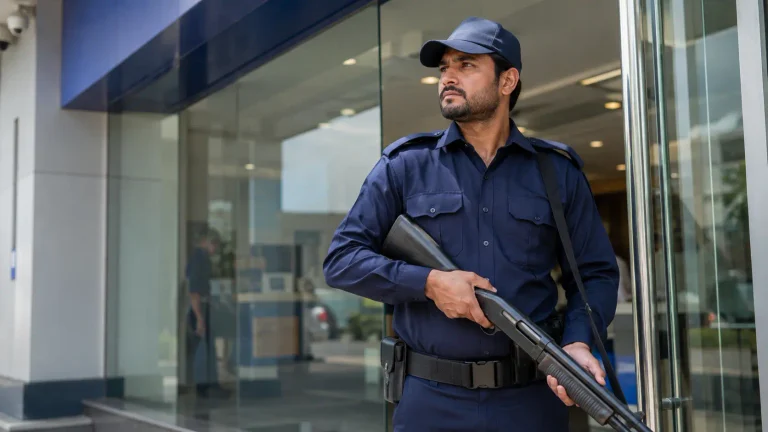
Security guards are more than just the friendly faces you see patrolling areas. They are trained professionals responsible for maintaining the peace and protecting the public. From commercial premises to residential complexes, and even large public events, security guards offer crucial services that help prevent crimes and ensure safety.
What Do Security Guards Do?
- Duties and Scope: Security guards carry out varied tasks, including monitoring security cameras, conducting inspections, and responding to alarms. They are also responsible for controlling access to buildings and ensuring occupants’ safety.
- Duties and Scope: Security guards carry out varied tasks, including monitoring security cameras, conducting inspections, and responding to alarms. They are also responsible for controlling access to buildings and ensuring occupants’ safety.
- Types of Security Services: Depending on the setting, security guards might carry out different roles. In commercial areas, they might be tasked with theft prevention, while in residential locations, they might focus on community interaction and crime deterrence.
- Security Guards and Crime Prevention: Have you ever noticed how the mere presence of a security guard can deter wrongdoing? It’s a testament to the power of visible security in crime prevention.
How Security Presence Deters Crime
- Visibility: The sight of a uniformed officer can act as a deterrent to potential wrongdoers, reducing crime rates significantly.
- Emergency Response: Security guards are trained to act swiftly and efficiently in emergencies, whether it’s a fire outbreak, a medical situation, or unruly behavior. Their presence ensures that help is always near and quickly available.
Stories of Effective Crime Prevention
Imagine a bustling shopping mall. A family’s shopping trip could be marred by a sly pickpocket, but thanks to an observant security guard, the criminal is caught red-handed. Instances like these highlight how security guards actively prevent crimes in real-time.
Building Community Trust and Relationships
Security guards are not just enforcers; they’re community builders. By interacting with residents and business owners, they foster an environment of trust and collaboration
The Role of Communication and Engagement
- Community Interaction: Security guards often serve as bridges between the community and law enforcement by understanding and relaying neighborhood concerns effectively. Their strong communication skills enable them to engage with community members, fostering trust and cooperation.
Wondering how this trust plays out in real life? Consider a neighborhood where a security guard has taken the time to get to know each resident by name. This kind of personal interaction can elevate neighborhood morale, making every resident feel both welcomed and protected.
Boosting Neighborhood Morale
When residents see security guards as allies rather than outsiders, community cohesion strengthens. Shared stories and personal relationships transform perceptions and expectations, creating a safer environment for everyone.
Technology Integration in Security Services
Today’s security guards aren’t just doing traditional patrols. They’re integrating tech tools to enhance their efficiency and effectiveness.
- Surveillance Cameras: These are the eyes ensuring that nothing slips past unnoticed, aiding security guards in maintaining vigilance.
- Mobile Apps and Real-Time Communication: Guards use apps for reporting incidents instantly, facilitating faster responses and coordination.
- Tech’s Role in Elevating Security: The use of technology means security guards can cover broader areas with less manpower, enhancing their impact on community safety.
Security Guards as First Responders
In emergencies, the importance of security guards becomes even more apparent. They act as first responders, providing immediate assistance and potentially saving lives.
Training and Preparedness
- Crisis Management Training: Comprehensive training allows security guards to handle crises, whether it’s performing CPR during a medical emergency or organizing evacuations during a fire.
- Real-Life Heroics: Picture a guard at a shopping center preventing a crisis by quickly evacuating patrons when a fire breaks out. Such preparedness is crucial and often makes the difference between life and death.
Collaborations with Law Enforcement and Other Organizations
Security guards often work hand-in-hand with local law enforcement agencies. These collaborations enhance safety and often lead to better community outcomes.
The Power of Teamwork
- Joint Efforts: By collaborating with police departments and neighborhood watch programs, security guards can better understand regional crime trends, resulting in targeted and effective crime prevention strategies.
Consider a situation where both security guards and police collaboratively plan to secure a crowded local festival. Such partnerships ensure both public enjoyment and safety.
The Economic Impact of Security Guards on Community Safety
Security services aren’t just about safety—they also have a positive economic ripple effect.
Financial Benefit
- Lower Crime Rates: When crime rates fall, communities save on costs related to medical care, insurance, and property damage, not to mention the mental well-being of residents.
- Boosting Business and Property Values: Safe communities attract businesses, leading to job creation and economic growth. Additionally, secure neighborhoods often see a rise in property values, benefiting homeowners and local governments alike.
Conclusion
Security guards play an integral role in maintaining and improving community safety. Their diverse duties and collaborations with local organizations significantly reduce crime and improve residents’ quality of life. As we consider the importance of safety in our communities, it’s crucial to recognize and support the role of security guards.
General FAQs
What are the typical duties of a security guard?
Security guards are responsible for a variety of tasks, including monitoring surveillance equipment, inspecting buildings, controlling access to certain areas, and responding to emergencies. Their duties can vary depending on the setting, whether it’s a commercial location, a residential community, or a public event.
How does the presence of a security guard prevent crime?
The visible presence of security guards can serve as a deterrent to potential criminals. Knowing that there is someone actively observing the area can discourage wrongful acts. Moreover, security guards are trained to identify suspicious behavior and act swiftly to prevent crimes.
How are security guards trained for emergencies?
Security guards undergo comprehensive training that covers crisis management, emergency evacuation procedures, medical assistance like administering CPR, and coordination with emergency services. Such training prepares them to act efficiently and effectively during emergencies.
How do security guards collaborate with law enforcement?
Security guards often work in tandem with local police and community organizations. They provide insights into community safety issues, help in investigating crimes, and sometimes assist in crowd control during large events, contributing to an overall safer environment.