How Physical Fitness Enhances Security Guards’ Effectiveness
Security guards play a pivotal role in maintaining safety and security in our communities, often standing as the first line of defense in various settings. But have you ever wondered how physical fitness ties into their effectiveness? The Importance of Physical Fitness for Security Guards cannot be underestimated, and today, we’re diving into why staying fit is crucial for those protecting us.
Understanding the Role of Security Guards
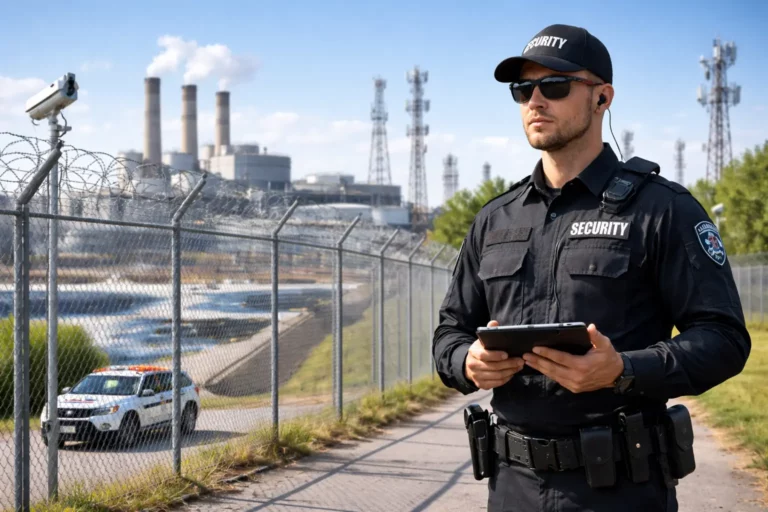
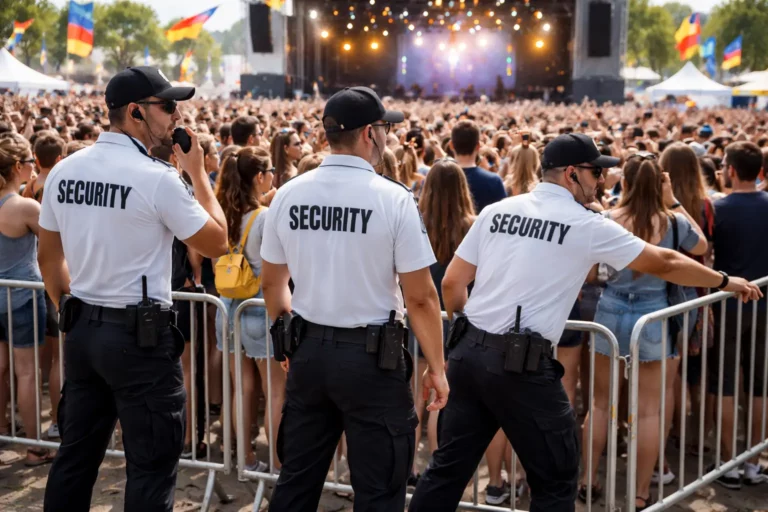
Security guards juggle numerous tasks daily. From monitoring surveillance equipment to patrolling areas and responding to emergencies, their days are packed with responsibilities. This job isn’t just about watching over a vicinity; it’s about being prepared for anything that comes their way. The demands are not merely physical but also mentally taxing, requiring constant readiness for unexpected situations.
So, what makes physical fitness an integral part of their role? Picture a guard needing to chase down a trespasser or de-escalate a tense confrontation without breaking a sweat. It’s clear that their physical capability is connected directly to their performance and our safety.
The Essential Role of Physical Fitness in Security Guarding
When we talk about physical fitness in the context of security jobs, we’re referring to a broad set of attributes that collectively empower guards to perform their best. These include strength, endurance, agility, and mental alertness. Together, these components create a comprehensive fitness level that enhances every aspect of their job.
- Strength allows a guard to handle physical confrontations or carry equipment.
- Endurance helps them sustain long shifts.
- Agility enables quick movement when situations demand it.
- Mental alertness sharpens their decision-making process.
The impact of these fitness components is clear. A physically fit guard is more likely to act decisively and effectively in any given scenario.
Benefits of a Physically Fit Security Guard
A guard who’s in top physical condition brings a lot to the table. First, they boast enhanced response times and decision-making abilities. Quick reflexes and sharp thinking allow them to address issues swiftly and efficiently.
Second, these guards have improved stamina and endurance for long shifts. Standing and moving for extended periods is all in a day’s work, and being fit ensures they remain alert and active throughout.
What’s more, a well-trained guard leverages their presence and non-verbal communication to de-escalate situations before they spiral out of control. A strong physical presence can often prevent potential threats without saying a word.
Components of a Fitness Regimen for Security Guards
So, what does a fitness routine for security guards look like? It’s comprehensive and balanced, focusing on several key areas:
- Cardiovascular Exercises: Regular cardio ensures guards can maintain stamina and quick reflexes.
- Strength Training: Building muscle helps with physical confrontations and handling equipment.
- Flexibility: Stretching can prevent injuries and improve overall body function.
- Balance Exercises: Essential for maintaining stability and coordination.
A proper diet complements this regimen by providing the necessary energy and nutrients to sustain fitness levels. Continuous improvement is key, encouraging guards to surpass their personal limitations over time.
Challenges Security Guards Face in Maintaining Physical Fitness
Of course, achieving and maintaining peak fitness isn’t easy. Security guards often deal with common obstacles, such as irregular hours that can mess with their fitness routine. Stress from high-pressure situations can also take a toll on their health.
Accessibility to fitness facilities may not always be feasible, either. But don’t worry! There are ways to overcome these challenges.
- Pursue short, high-intensity workouts when time is limited.
- Practice mindfulness and stress-relief techniques to help maintain mental well-being.
- Find simple exercises that can be done at home or even on the job.
Making small changes consistently can make a significant difference over time, paving the way for a healthier, more effective security workforce.
Real-Life Case Studies and Success Stories
To illustrate the power of fitness in the security field, let’s consider some success stories. Many security firms emphasize physical training in their programs, with measurable results. One notable example is a firm that implemented mandatory physical training sessions for their guards. The outcome? A decrease in on-the-job incidents and injuries, coupled with an increase in positive client feedback.
Then there are testimonials from guards who took their fitness seriously and reaped the performance-based rewards. One guard noted that getting into better shape not only improved his ability to manage threats but also boosted his overall confidence at work.
Conclusion
In summary, investing in the physical fitness of security guards is a win-win situation. Not only does it bolster their on-the-job performance, but it also improves their health and well-being. As we look toward the future, it’s vital for both individual guards and security firms to make fitness a priority in their operations.
To bring about meaningful change, we need to encourage a fitness-centric culture within the security sector. After all, as this field evolves, the demand for physically capable individuals will only grow.
General FAQs
Why is physical fitness important for security guards?
Physical fitness is crucial for security guards to handle physical demands, remain alert, and respond effectively to emergencies.
What exercises should security guards focus on?
Guards should focus on a balanced routine including cardio, strength training, flexibility, and balance exercises.
How can security guards maintain fitness with irregular hours?
Short, high-intensity workouts and home-based exercises can help accommodate irregular hours.
Do all security firms emphasize physical fitness?
While not all do, more firms are recognizing its importance and incorporating fitness into their training programs.