Understanding the Synergy Between Security Guards and Law Enforcement
The interplay between security guards and law enforcement is more significant than many realize. As sectors devoted to public safety, their roles intertwine in ways that bolster community protection and reduce crime. Yet, what marks the difference between their duties, and why does their collaboration matter?
Security guards serve as the silent sentinels of everyday life, watching over shopping malls, office buildings, and more. Meanwhile, police officers enforce laws on a broader scale. Recognizing this relationship’s impact can improve safety strategies, making it valuable for everyone interested in public security. This guide dives deep into this connection, offering insights and practical tips for those on the front lines and community stakeholders alike.
Defining Roles: Security Guards vs. Law Enforcement
Security Guards: The Everyday Protectors
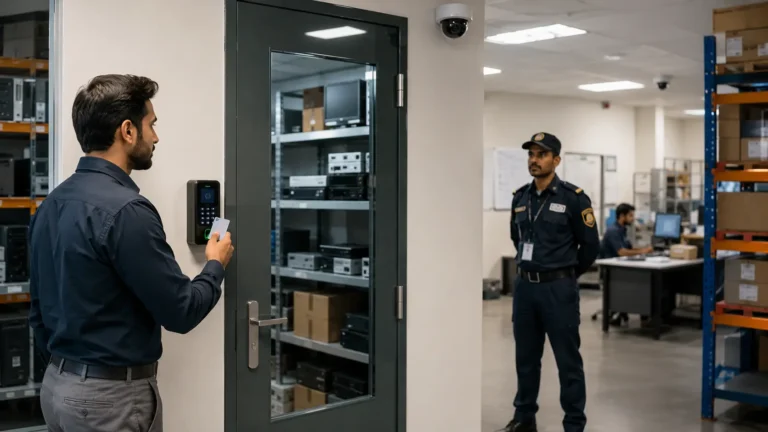
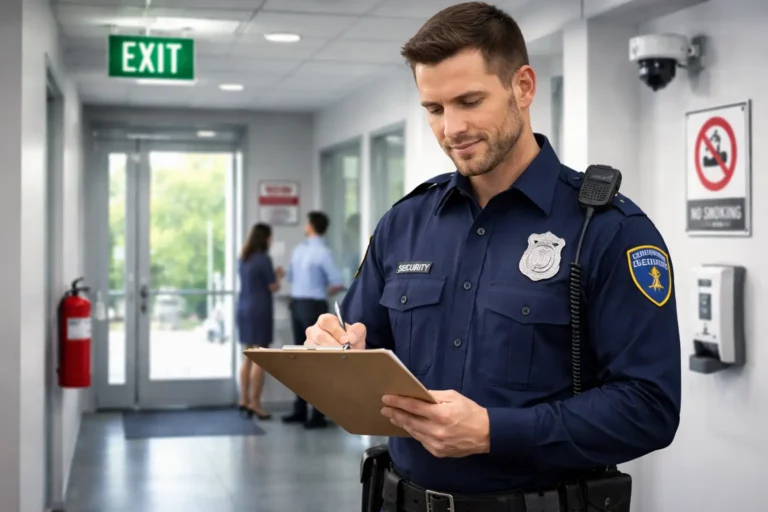
Ever passed a security guard in a shopping center or at a concert? These professionals ensure the safety of specific premises. Their responsibilities might range from patrolling and monitoring surveillance feeds to managing access controls. Often, they’re the first to respond to suspicious activities and minor incidents.
Law Enforcement: The Enforcers of Law
On the flip side, law enforcement officers tackle crime at a community or national level. Their responsibilities include investigating crimes, arresting suspects, and upholding public order. With more legal authority than security guards, they’re equipped to handle a broader range of threats.
Key Differences and Overlaps
While security guards often focus on preventative measures within specific areas, law enforcement covers a wider jurisdiction with powers like arrest and investigation. Yet, they both share a commitment to safety and often work together, which strengthens their common goals.
Importance of Partnership: A Mutual Goal
Why Collaboration Matters
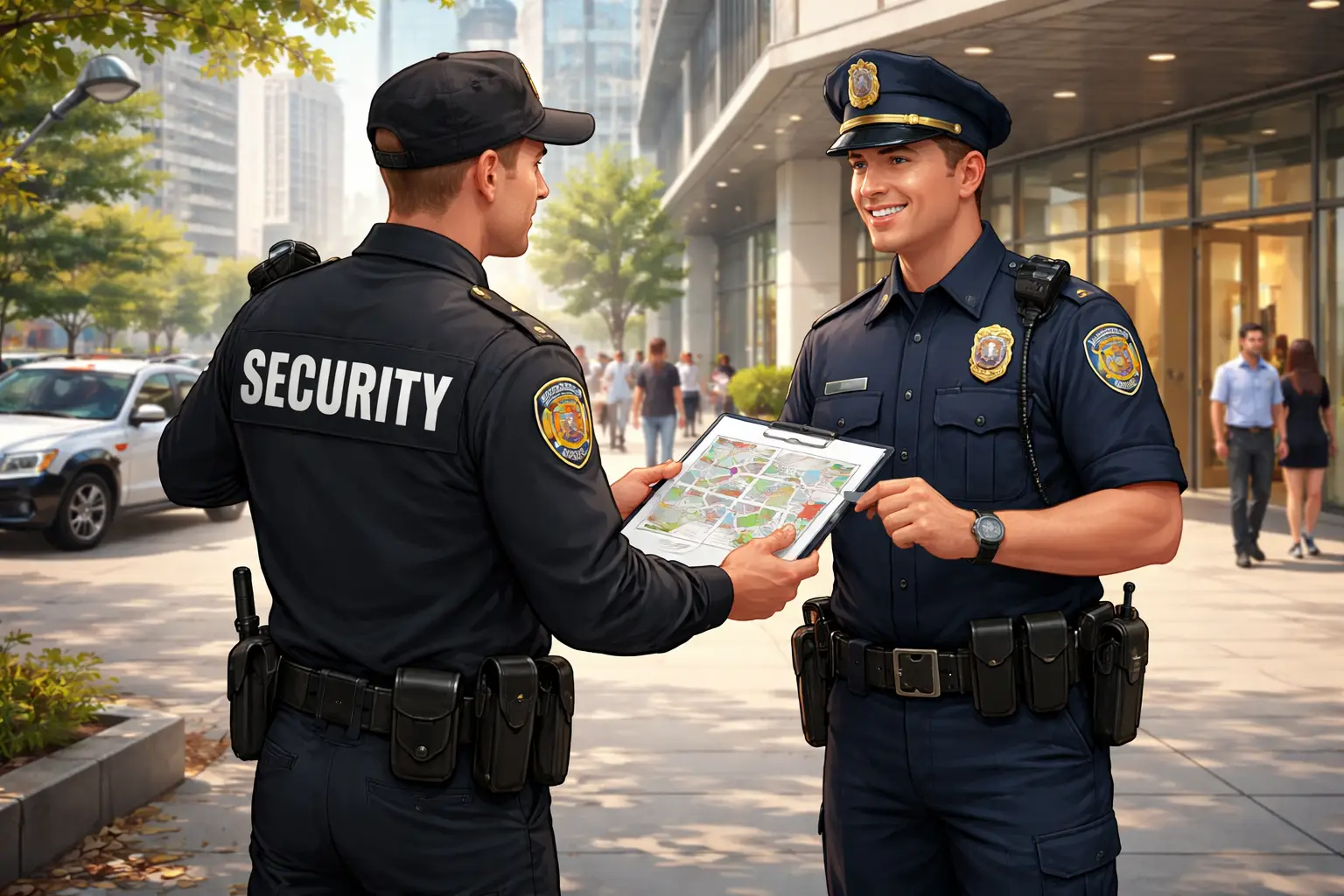
Consider a busy sports stadium: If security guards notice a potential threat, notifying on-site law enforcement can mean the difference between prevention and escalation. Working hand-in-hand ensures thorough coverage and swift action.
Real-Life Examples of Seamless Cooperation
In many cities, partnerships have led to decreased crime rates. Take the case of a neighborhood watch program, where security guards and police work in tandem to curb youth crime, effectively transforming troubled areas into safer zones for residents.
Benefits for the Community
For community members and stakeholders, this collaboration translates to enhanced security, peace of mind, and potentially lower insurance premiums for businesses—everyone benefits when security guards and law enforcement synchronize efforts.
Communication and Coordination: The Backbone of Security Operations
The Significance of Open Channels
Effective communication can transform chaos into order. Imagine trying to put together a puzzle without seeing all the pieces—establishing clear communication channels between guards and police prevents such blind spots.
Tools and Technologies that Bridge the Gap
From radios to integrated apps, technology keeps teams connected. One community effectively used a digital app, allowing real-time alerts from security guards to law enforcement during any security breach, ensuring prompt intervention without delay.
Training and Skill Development: Building a Bridge
Training Essentials for Security Guards
While security guards don’t require the extensive training of police officers, undergoing situational awareness and conflict resolution programs can make all the difference.
Enhancing Cooperation through Joint Training Programs
Consider joint training sessions: guards and officers participating in simulations together can build rapport and a unified approach to crises, crucial for seamless operation during real incidents.
Legal and Ethical Considerations: Navigating the Landscape
Rights and Limitations for Security Guards
Security guards hold the authority to a certain point. Understanding their limits helps avoid legal mishaps—contrary to officers, they can’t detain or arrest beyond particular scenarios.
Legal Frameworks for Cooperation
Laws influence how security and law enforcement collaborate. For instance, a store-owner-initiated police investigation involving security evidence must adhere to privacy laws.
Ethics in Joint Operations
Security guards and police officers shoulder the ethical duty to respect individual rights while prioritizing safety—a delicate balance requiring open dialogue and established protocols.
Challenges and Strategies: Navigating Hurdles
Identifying Common Obstacles
At times, differing protocols or communication failures hinder cooperation. In some cases, guards may lack comprehensive training or resources compared to officers.
Strategies for Overcoming Challenges
Regular meetings and shared platforms for information exchange can disarm potential conflict zones. Innovative public safety initiatives bring stakeholders together, ensuring cohesive security strategies.
The Future of Cooperation: A Glimpse Ahead
Emerging Trends and Technologies
Advances like AI-driven analytics and smart surveillance systems promise to further bridge gaps, offering precise alerts and automated responses.
Innovations to Watch
Expect continued evolution in digital dashboards and real-time data sharing, equipping both security guards and law enforcement with the tools for preemptive action.
Conclusion: Building a Safer Tomorrow
By understanding and enhancing the synergy between security guards and law enforcement, we create a fortified line of protection across communities. Remaining open to ongoing learning and technology adoption ensures security measures remain as robust as possible.
General FAQs
What is the main difference between a security guard and a police officer?
Security guards focus on keeping specific premises safe, whereas police officers enforce laws across larger areas and possess broader powers, including making arrests.
Why is the relationship between security guards and law enforcement important?
This relationship enhances public safety by ensuring different security aspects are covered efficiently, leading to a more comprehensive protection strategy.
How can technology enhance security guard and law enforcement collaboration?
Technologies like communication apps and surveillance systems facilitate real-time information sharing, ensuring prompt and coordinated responses.
What are some challenges faced in security and law enforcement partnerships?
Challenges include communication gaps, varying levels of authority, and potential legal or procedural misalignments between parties.
Are there ethical considerations in joint security operations?
Yes, ethical considerations involve respecting individual rights while effectively managing public security within legal boundaries.