Enhancing Security: Why Ongoing Training for Security Guards Matters
Picture this: A bustling shopping mall on a busy weekend. Suddenly, a suspicious package is spotted in the corner of a corridor. Panic could easily ensue, but thanks to well-trained security guards, the situation is swiftly managed, avoiding chaos and ensuring safety. This example isn’t just a hypothetical; similar stories unfold regularly where continuous training makes all the difference. That’s why ongoing training for security guards is not a luxury—it’s a necessity. So, what can you expect to gain by delving deeper into this subject? A comprehensive understanding of why investing in security guard training is crucial now more than ever. Let’s dive in!
Understanding the Role of Security Guards
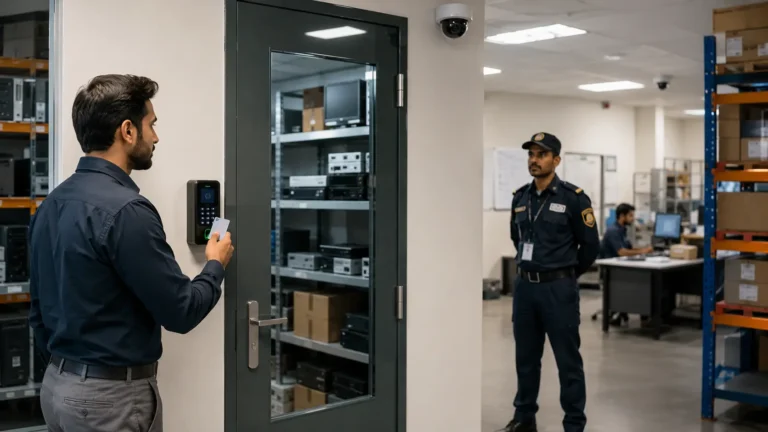
Security guards play a vital role in maintaining safety and order. They are not just about keeping a watchful eye; their responsibilities are wide-ranging. In today’s world, security threats are ever-evolving, be it in businesses, schools, or at events. A guard’s duty includes monitoring surroundings, responding to emergencies, and being a reassuring presence. With ongoing training, these professionals stay adaptable and prepared, ready to tackle new challenges in a constantly changing security landscape.
The Core Benefits of Ongoing Training
Why is continuous education so important for security guards?
1. Improved Response
Imagine facing a tense situation and having just moments to act—training helps guards to sharpen their reaction times and decision-making skills. Regular practice equips them to face emergencies with confidence and poise.
2. Situational Awareness
Drills and exercises go a long way in enhancing a guard’s attentiveness to their surroundings. By constantly running through potential scenarios, they can detect incidents early and respond effectively.
3. Crisis Management
Handling emergencies isn’t about guesswork. Through scenarios and simulations, guards learn how to manage crises. Whether it’s a fire, a medical emergency, or a security breach, real-life training scenarios prepare them to handle various situations adeptly.
Key Areas of Focus in Security Guard Training
A good training regime covers several crucial areas.
- Soft Skills Training: Guards gain training in conflict resolution, communication, and public relations to better interact with people and diffuse tense situations.
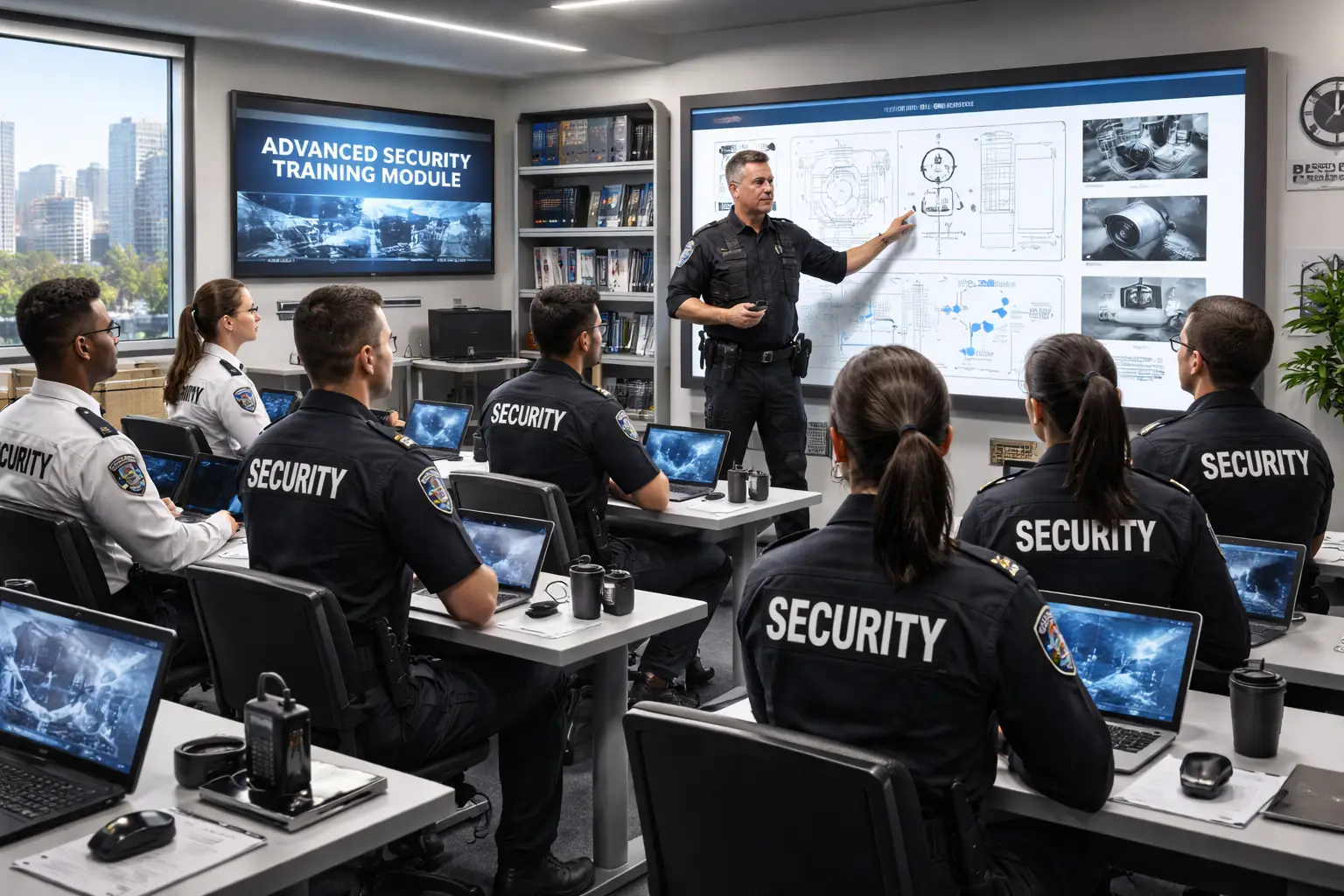
- Technical Skills: Mastery of the latest security technology, from surveillance cameras to electronic security systems, is vital for effectiveness.
- Legal and Ethical Guidelines: Understanding laws and ethical considerations helps guards execute their duties within legal boundaries, ensuring both the safety and legality of their actions.
The Impact of Well-Trained Guards on Business Operations
Training security guards isn’t an overhead—it’s an investment. Look at the broader impact:
1. Customer Confidence
Shoppers and visitors notice when a security team is professional and well-trained. There’s a direct correlation between guard training and customer trust. A secure environment builds confidence and encourages repeat visits.
2. Property Loss Prevention
If you think about a business that has minimized theft or vandalism, chances are, they have a solid security training program. A well-trained team can significantly reduce property damage and financial loss, thanks to their proactive approach.
3. Liability Reduction
Employing a team that’s thoroughly trained also means fewer legal liabilities. Businesses benefit from reduced risks of incidents that could lead to lawsuits, keeping their reputation intact and avoiding costly legal battles.
Developing an Effective Training Program
But how do you develop an effective training program?
1. Frequency and Structure
Establishing a consistent training schedule ensures skills remain sharp. Whether weekly or monthly, regularity is key to keeping guards prepared.
2. Evaluating Training Effectiveness
The value of training is in its results. Regular assessments and feedback loops are crucial to measure how well guards are absorbing and applying their training.
3. Choosing the Right Training Provider
Not all training providers are created equal. Look for reputable organizations with a track record of excellence. Well-researched choices lead to better outcomes for your security team.
Future Trends in Security Guard Training
Security training isn’t static. Let’s consider what’s on the horizon.
1. Technological Advancements
From Artificial Intelligence to Virtual Reality, technology is reshaping training methods. These new tools make learning more interactive and effective, giving guards a realistic feel for managing threats.
2. Importance of Cybersecurity Training
As digital threats grow, equipping guards with a fundamental understanding of cybersecurity is becoming crucial. It’s not just about physical spaces anymore; digital safety is equally vital.
3. Personal Development
Encouraging guards to pursue both personal and professional growth helps in building a dedicated and skilled workforce. Motivation plays a vital role in keeping guards engaged and committed to their roles.
Conclusion
In summary, ongoing training for security guards holds countless benefits. From polishing response tactics to integrating futuristic tech, the advantages are multi-faceted. By investing in regular training, businesses not only fortify their safety measures but also cement their reputation as secure, trustworthy environments. And when we think about it, isn’t safety and readiness the foundation of success for any organization? Make the proactive choice—invest in your security teams today.
General FAQs
Why is ongoing training essential for security guards?
Continuous training ensures guards are adept at handling current security challenges, improving response times, and effectively managing emergencies.
What areas are covered in security guard training?
Training typically includes soft skills, technical skills, legal guidelines, and crisis management scenarios.
How does security guard training impact business operations?
Trained guards enhance customer confidence, reduce property losses, and minimize legal liabilities.
What future trends are influencing security guard training?
Technological advancements, increased focus on cybersecurity, and promoting personal development are key trends shaping future training programs.