How Security Guards Play a Crucial Role in Safeguarding Intellectual Property
In our fast-paced business world, intellectual property (IP) is a crucial asset that companies must fiercely protect. But what is IP, and why is it so important? In simple terms, IP includes creations of the mind like inventions, logos, designs, and trade secrets. These creative works power innovation and drive economic success. Unfortunately, as the value of IP skyrockets, so does the risk of theft. Cue the hero of our story: the security guard. Security guards are often the first line of defense in protecting these intangible treasures.
Understanding Intellectual Property
Let’s break down intellectual property. There are several types, including:
- Patents
- Trademarks
- Copyrights
- Trade Secrets
Each type serves to legally protect different kinds of ideas and products. When theft occurs, it can have a crippling impact. Businesses lose revenue, jobs are at risk, and innovation slows down. It’s a cascading effect that can shake entire industries.
Key Responsibilities of Security Guards in IP Protection
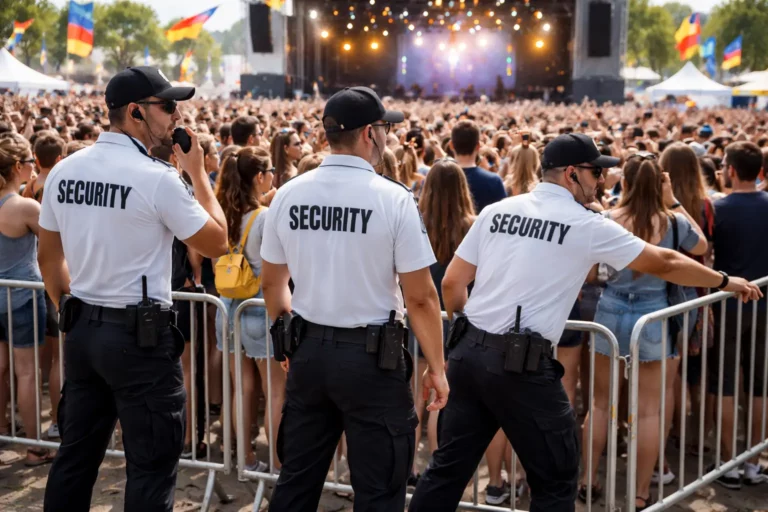
How exactly do security guards contribute to protecting intellectual property? They take various proactive measures to prevent theft. For instance, they are adept at monitoring access points. They scrutinize who enters sensitive areas, ensuring only authorized personnel are allowed entrance. Regular security checks help catch potential threats before they even begin.
Security guards are on constant alert, thanks to their training in surveillance and monitoring. Imagine them as watchful sentinels, always looking for any suspicious behavior. Their role also extends to crisis management. In the unlikely event of a security breach, they are the first responders, ready to contain and manage the situation effectively.
Training and Skills Required for Security Guards in IP Protection
Security guards specialized in protecting IP undergo extensive training. But what does this training involve? They learn key skills such as vigilance and attention to detail. Communication is another vital skill, as guards often have to convey crucial information swiftly and precisely. Think about it—without these skills, even the most advanced security systems could be rendered useless.
Integrating Technology in IP Protection
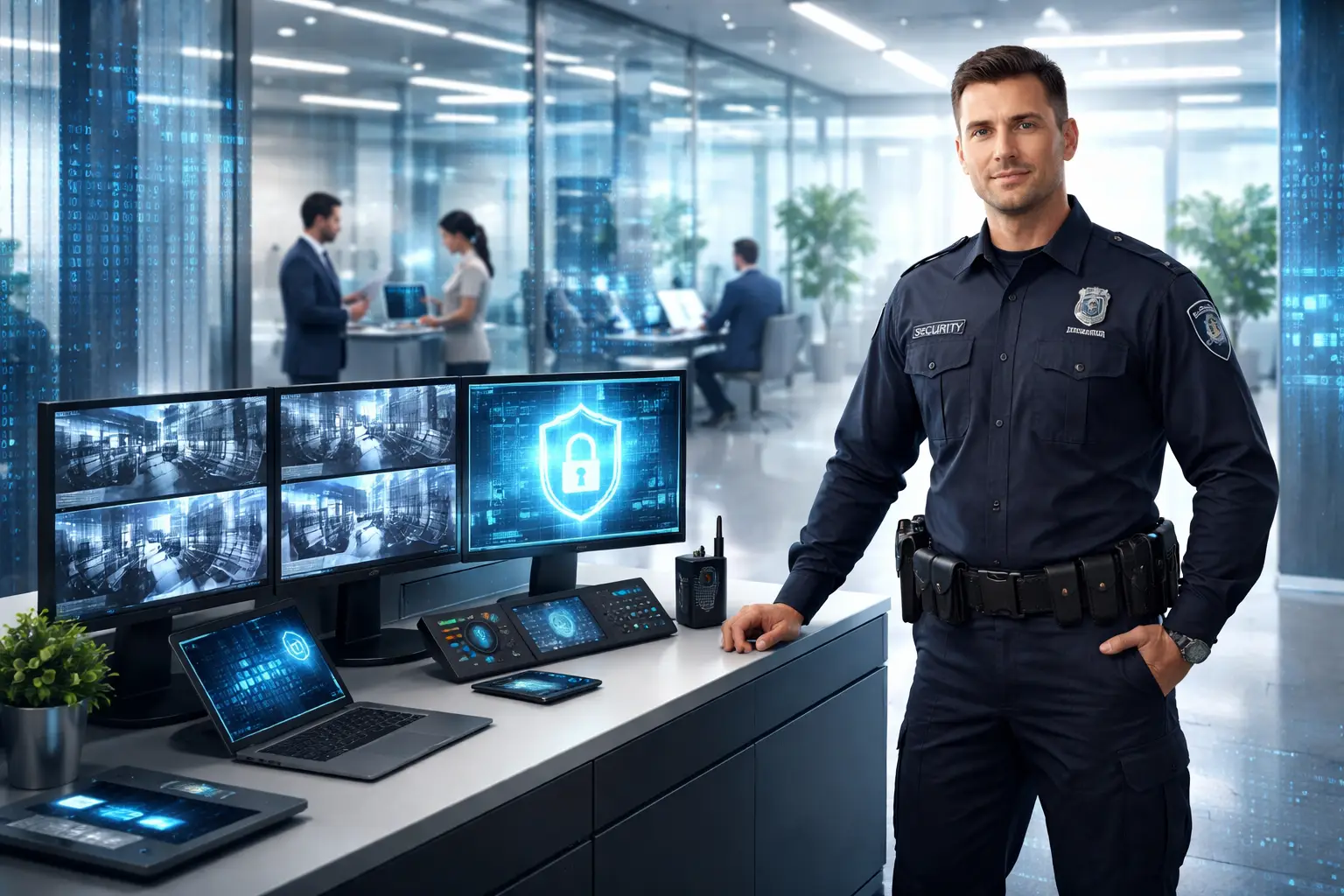
Of course, in today’s world, security is not complete without technology. Security guards often use high-tech tools to bolster their efforts.
- CCTV Systems: provide around-the-clock video monitoring.
- Biometric access controls: like fingerprint scanners ensure only the right people access critical areas.
- Alarm systems: act as deterrents to potential threats. By marrying human oversight with technology, companies can create a multi-layered defense system that’s truly formidable.
Case Studies: Successful IP Protection by Security Guards
Consider some real-world examples. In one scenario, a vigilant security guard noticed unusual late-night activity on the premises of a tech company. Rather than dismissing it as routine, they investigated, uncovering an attempt to smuggle sensitive software files. Thanks to their quick thinking, both the thief and the files were apprehended. This incident underscores the irreplaceable value of human intuition in security operations.
Challenges in Protecting Intellectual Property
Despite their effectiveness, security guards face numerous challenges. One major hurdle is the continually evolving tactics of IP thieves. These criminals are innovative, often staying one step ahead of traditional methods. Guards must also deal with resource constraints. Sometimes, there simply aren’t enough guards to cover large areas or complex facilities adequately.
So, what’s the solution? Employing a blend of best practices like continuous training, embracing technological aids, and ensuring optimal staffing levels will help overcome these challenges.
Future Trends in Security Guarding for IP Protection
The future is bright when we look at security guarding and IP protection. We can expect to see emerging trends that will enhance security measures. For instance, AI and machine learning are poised to revolutionize how surveillance is conducted. Imagine a system that not only records data but analyzes it in real-time for threats. It’s a rapidly evolving landscape, and security guards will need to adapt to keep pace with these innovations, becoming even more crucial in the IP protection arena.
Conclusion
Let’s not underestimate the critical role that security guards play in protecting intellectual property. As the stakes in the intellectual world rise, businesses and individuals must recognize the necessity of professional security services. The truth is, without dedicated security personnel, your valuable assets are at risk.
So, what’s the next step? Consider investing in specialized security personnel trained in IP protection. It could very well be the smartest move you’ll make in safeguarding your business’s future.
General FAQs
What is the main job of a security guard in protecting intellectual property?
Security guards mainly ensure that unauthorized individuals do not access sensitive areas. They conduct regular patrols, monitor surveillance systems, and respond to potential threats.
How does technology assist security guards in their duties?
Technology enhances surveillance and access control, allowing guards to monitor large areas efficiently. CCTV, biometric systems, and alarm systems are some tools they use.
Are there specific trainings for security guards focused on IP protection?
Yes, security personnel undergo specialized training tailored to the nuances of IP protection, focusing on surveillance, attention to detail, and handling crises.
What challenges do guards face in protecting IP?
Some challenges include adapting to evolving criminal tactics, resource limitations, and the sheer volume of sensitive data and areas to protect.
What future trends might affect security guarding for IP protection?
Future trends include increased use of AI and machine learning in surveillance and a greater reliance on tech to bolster human efforts.