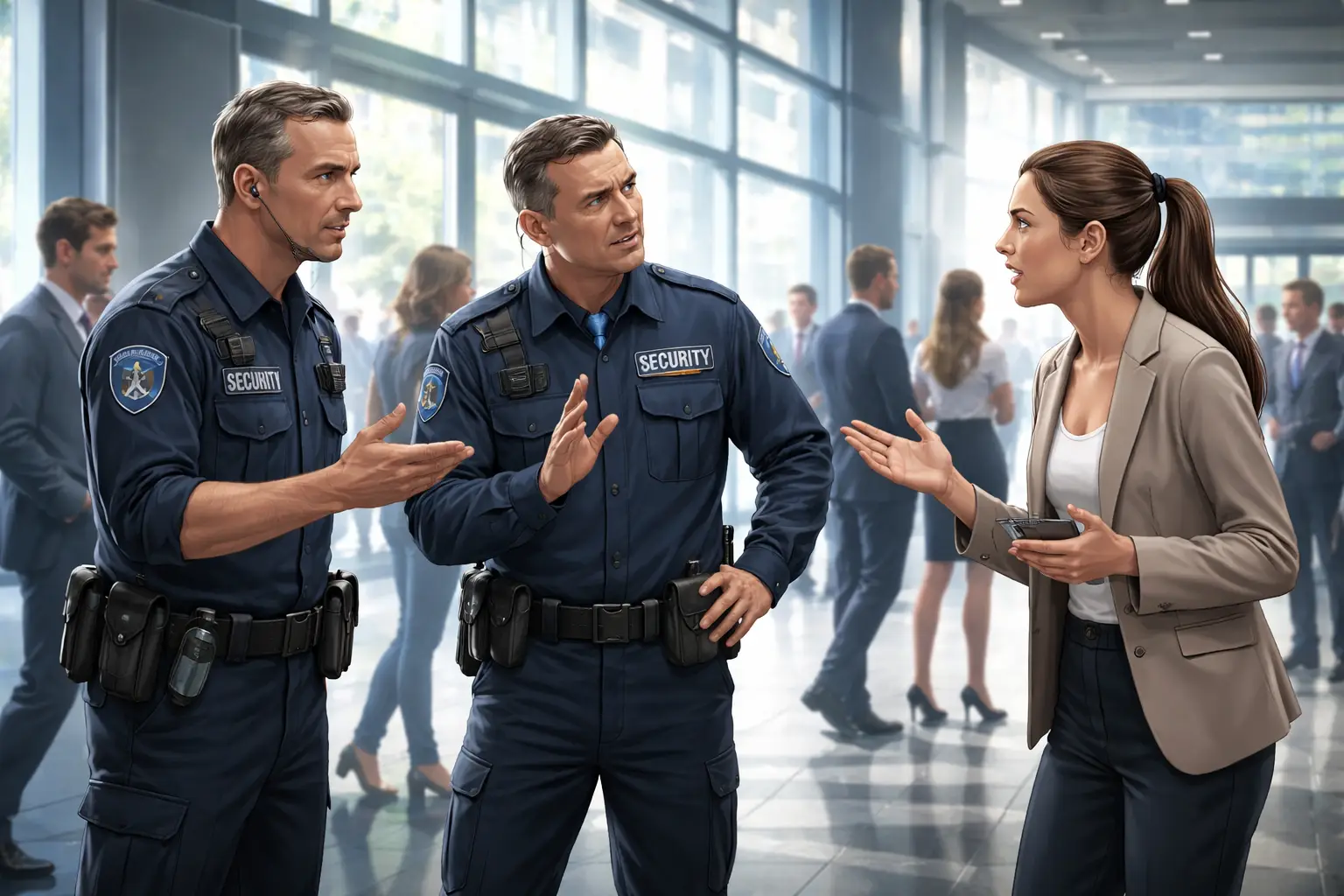
Effective Conflict Resolution Strategies Utilized by Security Guards
Security guards play an essential role in keeping our environments safe and secure. But beyond mere vigilance, a huge part of their job involves managing conflicts that arise. Whether it’s a heated argument at the entrance of a night club or a misunderstanding in a corporate setting, security guards are often the first responders to conflicts. So, how do they handle these situations effectively?
Understanding Conflict in Security Guarding
What is Conflict?
In the context of security guarding, conflict often refers to any disagreement or tension that could potentially disrupt safety or order. These conflicts can range from minor disputes to more serious threats.
Common Conflict Scenarios
In the day-to-day life of a security officer, conflicts can occur almost anywhere. Whether it’s dealing with a disorderly patron in a shopping mall, a disgruntled employee at work, or a trespasser, security guards must always be prepared.
Impacts of Unresolved Conflicts
If not handled properly, conflicts can escalate, threatening personal safety and creating an uncomfortable environment. For instance, a minor altercation can lead to bigger problems if it’s not resolved timely and appropriately.
Essential Skills for Conflict Resolution
Communication Skills
Effective communication is critical. Security guards must listen attentively and express themselves clearly to defuse tense situations.
Emotional Intelligence
Understanding emotions, both their own and those of others, helps security personnel manage conflicts. It allows them to empathize and respond appropriately.
Critical Thinking and Problem-Solving
Thinking on their feet is vital. Analyzing a situation quickly and finding practical solutions prevents conflicts from escalating.
Negotiation and Mediation Skills
Sometimes, security guards act as mediators, negotiating solutions that satisfy all parties involved.
Conflict Resolution Techniques Used by Security Guards
Preventive Measures: Observation and Risk Assessment
Security guards are trained to spot potential problems before they escalate. This involves keen observation and risk assessment skills.
De-escalation Techniques: Language and Body Language
Using calm language and non-threatening body language, security personnel can often diffuse tense situations. A simple, friendly tone can work wonders in calming agitated individuals.
Following Protocols and Procedures
Adhering to established protocols ensures that conflict resolution efforts are consistent and effective.
Understanding Legal Constraints and Responsibilities
Security guards must know what they can and cannot legally do in conflict situations to avoid making things worse.
Training and Continuous Improvement
Formal Training Programs for Security Personnel
Training programs equip guards with the skills needed to handle conflicts. These programs cover communication, negotiation, and legal knowledge.
Importance of Continuous Learning and Refreshment Courses
Ongoing education keeps security guards sharp. As situations and environments evolve, so must their skills.
The Role of Technology in Effective Conflict Resolution
- Use of Surveillance and Communication Devices: Modern technology helps security guards monitor situations and communicate effectively. Surveillance cameras can provide crucial information quickly.
- Incident Reporting Software: Digital tools allow for efficient recording and reporting of incidents, helping in analyzing and preventing future problems.
- Analyzing Data to Anticipate and Manage Conflicts: Data analysis tools can help predict potential conflicts, allowing for preventative measures to be put in place earlier.
Real-Life Examples
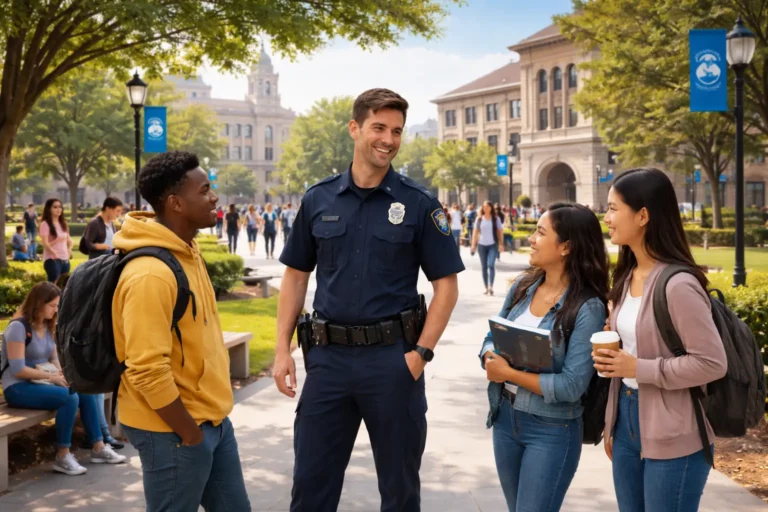
Consider a situation in a busy shopping mall, where a security guard effectively diffused a potential fight by calmly separating the individuals involved and listening to their grievances. This kind of real-world example illustrates the power and necessity of conflict resolution skills.
Conclusion
Conflict resolution is an invaluable part of security roles, and proper training, skills, and tools can make all the difference. Organizations benefit immensely from investing in their personnel’s capabilities and modern technology. Next time you see a security guard, remember they are not just there to watch over; they are skilled professionals ready to ensure safety and harmony.
General FAQs
Why is conflict resolution important for security guards?
Conflict resolution is critical as it helps maintain safety and order. Security guards use these skills to prevent situations from escalating, ensuring a secure environment for everyone.
What are some basic conflict resolution techniques?
Basic techniques include active listening, maintaining calm body language, and adhering to protocols. It’s about understanding both sides and finding a peaceful resolution.
How does technology aid in conflict resolution?
Technology, like surveillance systems and communication devices, provides crucial real-time data to help security personnel assess and manage conflicts efficiently.