Printing, Publishing and Paper Trade Security Around Urdu Bazaar, Lahore
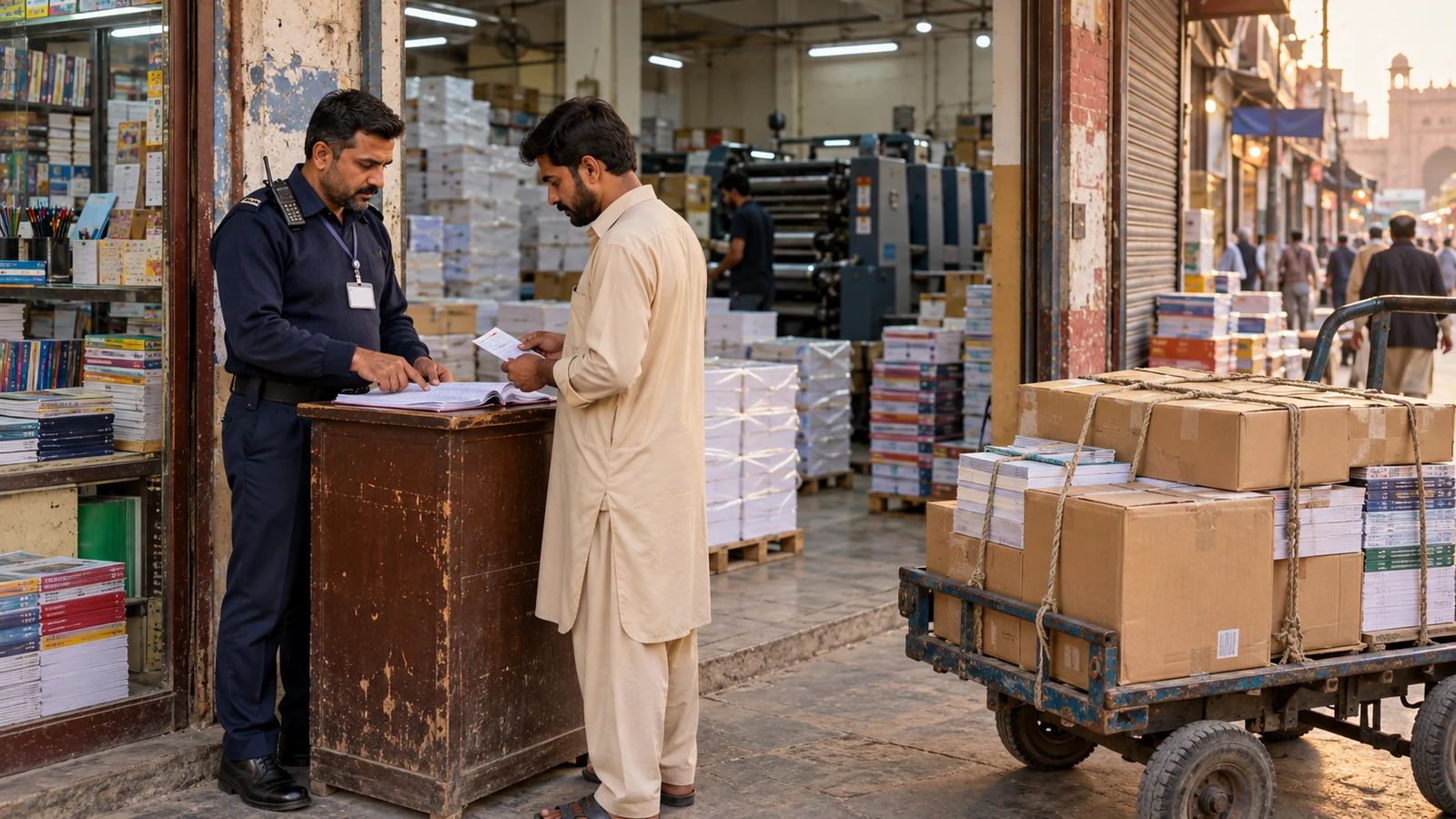
A paper delivery arrives while customers wait at the counter. A loader collects finished books, a technician asks to enter the press room, and someone wants to take leftover sheets through the same doorway. Each movement may be routine, but without clear checks, it becomes difficult to know what entered, what left and who approved it.
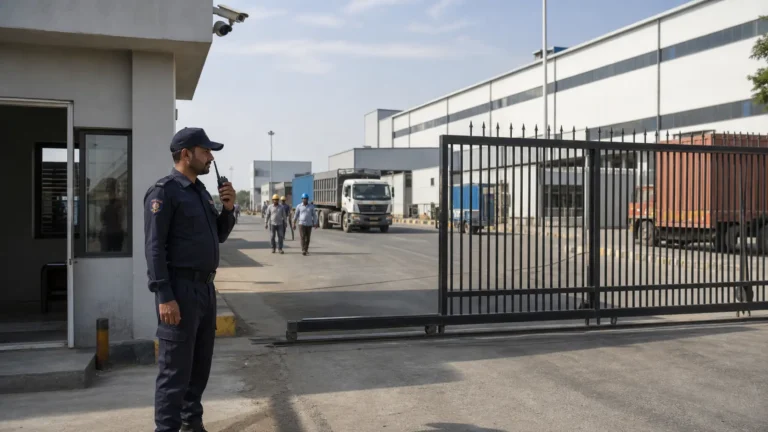
For printing presses, publishing offices and paper traders around Urdu Bazaar, security needs to fit the working day. A guard should help keep deliveries organised, protect restricted areas and record stock movement without holding up customers or urgent orders.
Clutch Security Services provides managed guarding for commercial and industrial properties. For a business in this area, the starting point is a review of the premises, working hours and stock movement so the proposed duties match the operation.
Why Printing and Paper Businesses Need Specific Security Duties
Urdu Bazaar brings together book selling, publishing, printing and paper trade. Within that business mix, a retail bookshop has different needs from a press workshop or a paper storage unit.
A shop may need help managing visitors and closing time. A printer may need controlled access to machinery, customer documents and completed orders. A paper trader may need checks at a loading point, especially when stock moves between a sales office and a separate store.
The useful question is: where could someone enter, remove material or collect an order without approval? The answer determines what the guard should check.
Keep Customer Access Separate From Stock and Production Areas
Customers should be able to ask about prices, collect books and discuss print jobs comfortably. They do not need unrestricted access to a paper store, press room or publishing office.
Mark the areas open to visitors and the areas that require staff permission. If one doorway serves several purposes, the guard needs instructions for directing customers, delivery workers and contractors.
Practical entry duties can include:
- Asking visitors whom they need to meet.
- Confirming an appointment or service visit with the relevant employee.
- Recording contractors who enter restricted rooms.
- Directing loaders to the receiving area.
- Reporting attempts to enter a locked or staff-only space.
Familiarity should not replace approval. A regular driver may be known to the business, but that does not authorise every collection.
Check Paper Deliveries Against Receiving Records
Paper bundles, cartons and reels can look similar even when their specifications differ. A count alone may miss a mismatch.
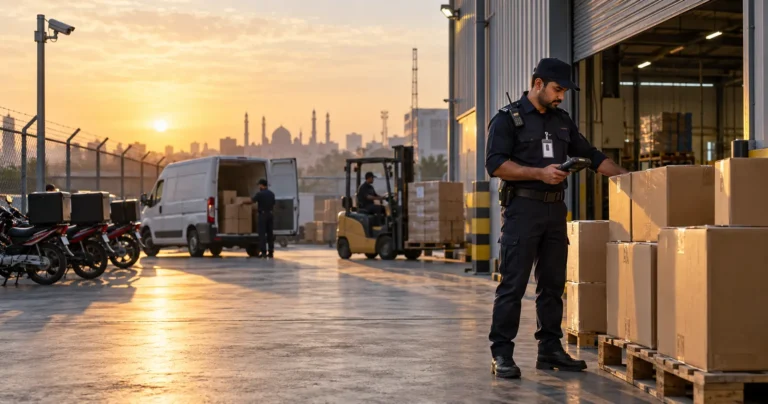
Before unloading, the receiving employee should confirm the supplier, delivery reference and expected material. Where visible and practical, the guard can compare package labels and quantities with the receiving document, then record the vehicle or collection details.
For example, a delivery note might list 20 bundles of one paper grade while the visible labels show a different grade. The guard should report the discrepancy to the authorised employee before the delivery is accepted.
Stock acceptance and quality inspection remain the responsibility of the business. Security supports that process by keeping entry records and raising exceptions.
If a delivery needs to wait, use a designated holding position that keeps the entrance and emergency route clear.
Release Finished Orders Only After Dispatch Approval
A collector saying “the owner knows me” is not enough to release a consignment. Finished books, printed packaging and paper stock should leave against a record approved by a named employee.
Before release, check:
- The order or dispatch reference.
- The intended customer or recipient.
- The recorded number of bundles, cartons or packages.
- The collector’s details.
- Vehicle details, where applicable.
- Approval from an authorised person.
- The departure time and any discrepancy.
Consider a hypothetical collection: the paperwork authorises eight cartons of books, but ten reach the exit. The guard should pause the release and ask the dispatch employee to resolve the difference. Guessing that the extra cartons are part of the same job defeats the check.
The same rule should cover returns, samples, damaged stock and transfers to another store.
Record Waste Paper and Scrap Removal
Waste paper can appear less important than saleable stock, which makes its removal easy to overlook. Yet mixed waste may contain usable sheets, finished prints or customer information.
Set a separate procedure for scrap collections. Identify who can approve removal, where the material waits and what the collection record must contain.
Depending on the business, that record may include the scrap category, an approved weight or package count, the collector’s details and the departure time. Any final weighing or accounting should remain with the designated employee.
Where printed waste contains confidential material, management should decide how it will be destroyed or handled before a collector receives it. A guard should follow those instructions rather than decide what is safe to release.
Restrict Access to Sensitive Print Jobs
Some presses handle examination material, unpublished manuscripts, business forms or other documents that customers expect to remain private.
Keep such work in a controlled room or designated area. Identify the employees permitted to enter, and require approval for visitors, repair workers and temporary labour.
Security guards can help enforce access rules and record unusual activity. Protecting digital files, managing passwords and approving customer data access require separate controls from the business.
Even a simple rule that visitors wait outside the production area can reduce unnecessary exposure of documents.
Plan Security Around Loading and Closing Times
A guard arrangement should reflect when the premises are busiest and when staff leave. If deliveries, customer collections and contractor visits happen together, one person may struggle to monitor the entrance and supervise a separate loading area.
For shared buildings, clarify which doors, stairways and storage floors fall within the assignment. Do not assume that a guard at the main entrance is also monitoring every tenant’s room.
At closing time, use a written checklist covering:
- Confirmation that visitors and contractors have left.
- Inspection of designated doors, shutters and accessible windows.
- A check that exits and stairways remain unobstructed.
- Reporting of visible leaks, unusual smells or damaged fittings.
- Key handover to the authorised person.
- A record of unresolved issues and late working staff.
Machine shutdown and electrical isolation should be completed by authorised employees. A guard can confirm that the responsible person has completed the checklist, but should not operate unfamiliar equipment.
For overnight duties, agree on patrol points and reporting arrangements. Where an alarm, smoke or a suspected break-in occurs, the guard needs clear escalation and emergency instructions.
Support Fire Readiness Without Replacing Safety Controls
Paper stock creates a combustible load, so clear exits and sensible housekeeping matter alongside theft prevention. Storage, wiring, machinery and fire protection should be reviewed by competent personnel.
During routine duties, guards can report blocked routes, smoking in prohibited areas and visible hazards. Emergency instructions should identify how to raise the alarm, contact responders and guide people towards safe exits.
Guards should not enter smoke-filled rooms or attempt electrical repairs. Their role must match their training and the site’s emergency plan.
Give Every Guard Written Post Orders
“Watch the shop” leaves too much open to interpretation. Written post orders should explain the location, duties and limits of the assignment.
For a printing or paper business, include the approved access list, dispatch approval process, scrap collection procedure, closing checks and reporting contacts. Specify what the guard must do when paperwork is missing or an instruction conflicts with the normal procedure.
Shift handovers should record pending collections, keys, contractors still inside and unresolved incidents. This helps the next guard continue the work with accurate information.
Choose Guard Coverage After Reviewing the Site
The right deployment depends on the layout, business hours, stock value, visitor flow and number of access points. Armed coverage should be considered through a risk assessment rather than assumed necessary for every shop or press.
Before agreeing to a service, ask about guard briefing, supervision, absence cover, incident reporting and the duties included in the quotation.
Clutch’s security guard services in Lahore include site assessment and supervised deployment. Discuss your shop, workshop and any separate storage premises so the proposed arrangement covers the locations you actually use.
Frequently Asked Questions
Can one guard cover a shop and a separate paper store?
That depends on their distance, access points and operating hours. A guard cannot continuously monitor two separate entrances at once. A site review should establish whether additional coverage or another arrangement is needed.
Can guards check outgoing books and paper stock?
Guards can check visible package details against approved dispatch records and report mismatches. Inventory reconciliation, concealed contents and quality checks should remain with authorised staff.
Can small printing businesses hire an unarmed guard?
An unarmed guard may suit duties such as visitor control, dispatch verification and closing checks. The choice should follow the site’s assessed risks and agreed responsibilities.
What affects the cost of security around Urdu Bazaar?
Guard numbers, shift coverage, guard type, supervision and the premises layout all affect the quotation. Provide your working hours and loading arrangements when requesting a proposal.
Discuss Security for Your Urdu Bazaar Business
Whether you run a printing press, publishing office, bookshop or paper store around Urdu Bazaar, clear security duties help make daily movement more accountable.
Contact Clutch Security Services to discuss your premises and request a site assessment. Share your working hours, access points and delivery schedule so the team can propose suitable coverage.
Call 0300 1267869.