Enhancing Safety: The Critical Role of Communication Skills in Security Guard Services
Introduction
Have you ever wondered how vital communication skills are in security guard services? Let’s take a closer look. Security guards are often perceived as the first line of defense in maintaining safety and order. But beyond just being a watchful presence, their responsibilities encompass preventing incidents, handling emergencies, and maintaining peace. To perform these duties effectively, one skill stands out above all else: communication.
Did you know? Studies suggest that over 60% of security-related issues can be reduced through effective communication. This fact alone underscores its importance in every aspect of security services.
Understanding the Importance of Communication Skills
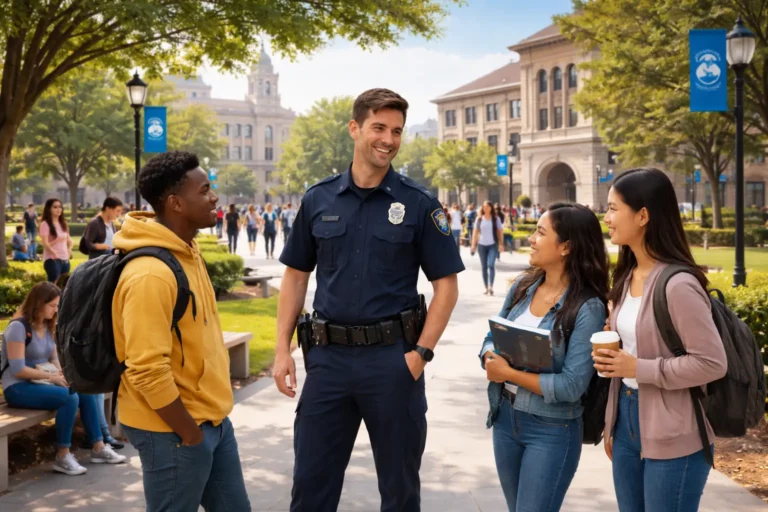
So, what exactly do communication skills involve in the context of security services? It’s a blend of verbal, non-verbal, and written methods used to convey safety protocols, instructions, and observations. When security guards communicate effectively, they not only safeguard the premises but also enhance the perception of safety and professionalism. Imagine walking into a building where the guard greets you warmly while maintaining clear communication about safety protocols – it instantly puts you at ease, doesn’t it?
Communication can dramatically influence security outcomes, from de-escalating conflicts to ensuring everyone follows safety procedures during emergencies. A security guard with strong communication skills is akin to a skilled orchestra conductor, ensuring all elements of an event harmonize perfectly.
Key Components of Effective Communication in Security
Understanding the key elements that form strong communication skills for security guards can make a significant difference:
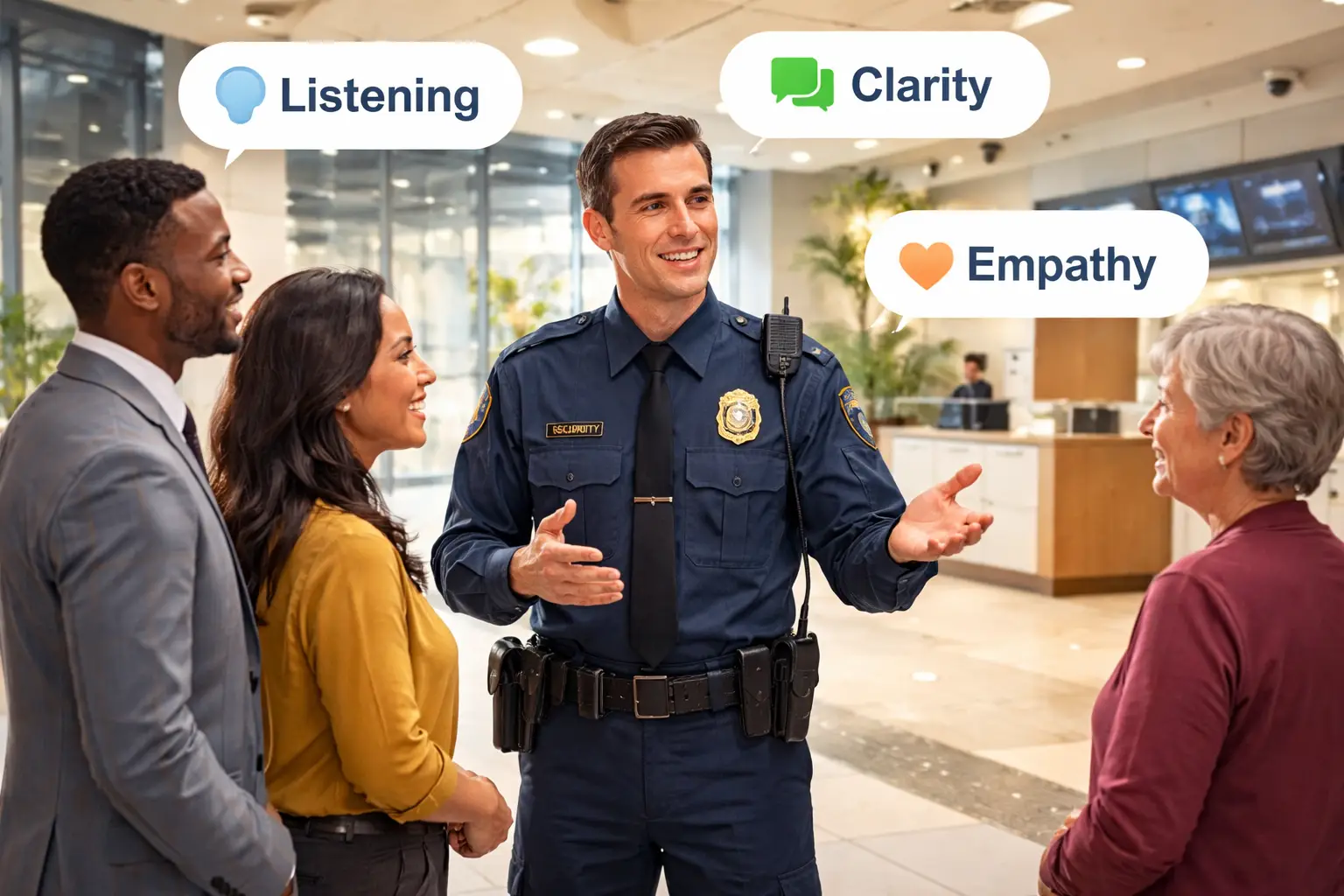
- Verbal Communication: The clarity of speech, tone, and choice of words are crucial. A guard who speaks calmly and clearly can diffuse tension in high-pressure situations.
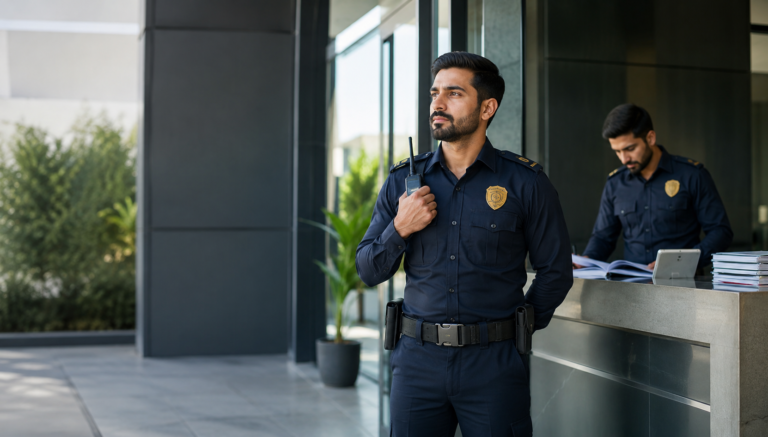
- Non-Verbal Communication: Body language, facial expressions, and gestures say a lot more than words. A reassuring smile or a strong, attentive stance can communicate authority and calmness.
- Active Listening: This means not just hearing words but understanding and processing information accurately. It’s about ensuring that both parties are on the same page.
- Written Communication: Whether documenting incidents or filling out reports, clarity and detail in written communication ensure information is accurately conveyed and recorded.
Scenarios Where Communication Skills Are Crucial
In the world of security, communication is not just about exchanging words; it’s about effectively managing real-world scenarios. Here are a few instances:
- Conflict Management: A skilled communicator can de-escalate potentially volatile situations through calm dialogue and negotiation, preventing violence and ensuring safety.
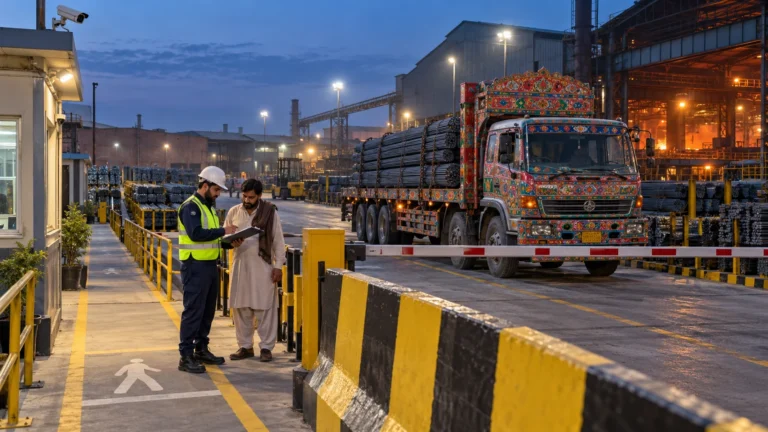
- Interacting with Authorities: When working alongside law enforcement and emergency services, precise communication ensures that incidents are handled seamlessly, without confusion or delay.
- Public Guidance: Whether during a large event or an emergency evacuation, communicating clearly with the public is critical to ensuring their safety and compliance.
- Surveillance Activities: Sharing observations and reporting suspicious activities require clear and concise communication, ensuring nothing is lost in translation.
Training Security Guards in Communication Skills
Just as you’d train an athlete for optimal performance, security guards also benefit greatly from structured communication training. Essential components of such training include:
- Workshops and Programs: Specialized training programs focus on honing verbal, non-verbal, and written skills.
- Role-Playing Exercises: Simulating real-life situations helps guards practice and refine their communication strategies, making them more prepared for actual incidents.
- Continuous Education: The world of security is ever-evolving, making ongoing training and regular evaluations pivotal for maintaining competency.
The Benefits of Strong Communication Skills in Security
Enhanced communication skills aren’t just a nice-to-have in the security sector; they’re a necessity. Here’s why:
- Improved Teamwork: Effective communication fosters better coordination among team members, ensuring seamless operations.
- Client Satisfaction: When clients see security staff communicating effectively, it builds trust and enhances satisfaction levels.
- Incident Prevention and Response: Efficient communication aids in both preventing incidents and responding to them swiftly when they occur.
- Safe Environment: Ultimately, it contributes to a safer environment for employees, visitors, and everyone involved.
Challenges and Solutions in Developing Communication Skills
Of course, developing such skills comes with its own set of challenges:
- Common Barriers: Language barriers, cultural differences, and personal biases can hinder effective communication.
- Overcoming Challenges: Adopting strategies like cultural sensitivity training, clear communication protocols, and language support can significantly mitigate these issues.
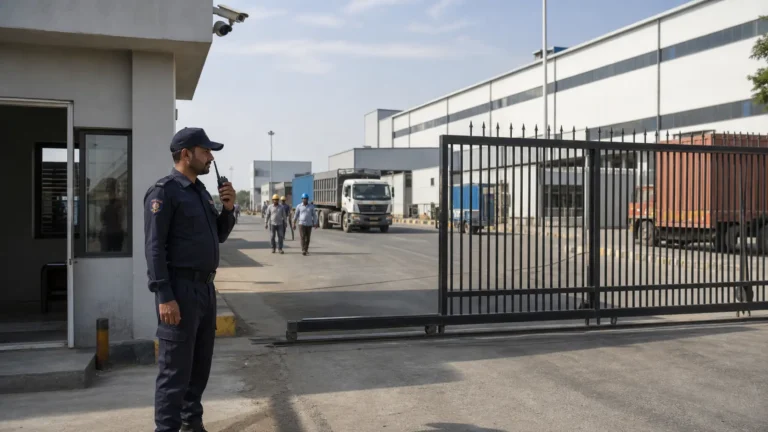
- Leveraging Technology: From two-way radios to mobile apps, technology plays a pivotal role in enhancing communication efficiency.
Conclusion
In conclusion, communication skills are nothing short of a lifeline in the realm of security services. They are integral to ensuring safety, maintaining professionalism, and fostering trust. As we look to the future, prioritizing these skills can only serve to enhance the effectiveness and reputation of security services. Hence, both security companies and personnel should strive to make communication skills development a top priority.
General FAQs
Why is communication crucial for security guards?
Effective communication ensures smooth operations, helps de-escalate conflicts, facilitates coordination with law enforcement, and enhances overall safety perception.
What are the key aspects of communication for security personnel?
Verbal and non-verbal cues, active listening, empathy, and precise written documentation are essential for effective communication.
How can security officers improve their communication skills?
Through consistent training, role-playing exercises, embracing continuous learning, and utilizing technology to aid communication.
What challenges do security guards face in communication?
Language barriers, cultural differences, and stress due to high-pressure situations can challenge effective communication.
How does communication influence safety outcomes?
Strong communication prevents misunderstandings, promotes timely responses, and ensures efficient reporting and documentation of incidents.