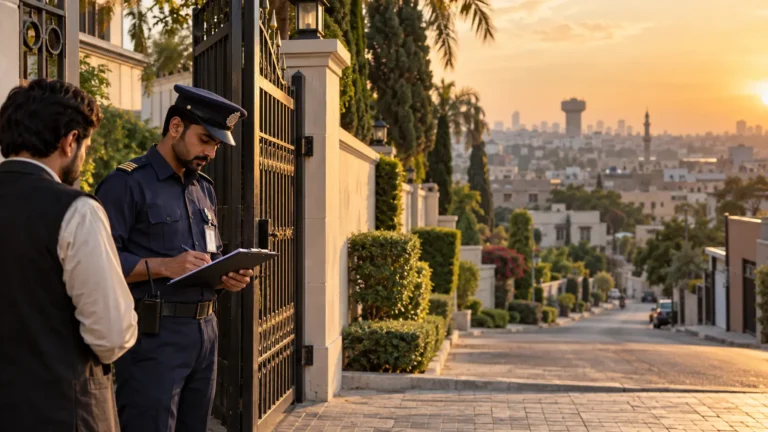
Steel and Re Rolling Mill Security in Shahdara, Lahore
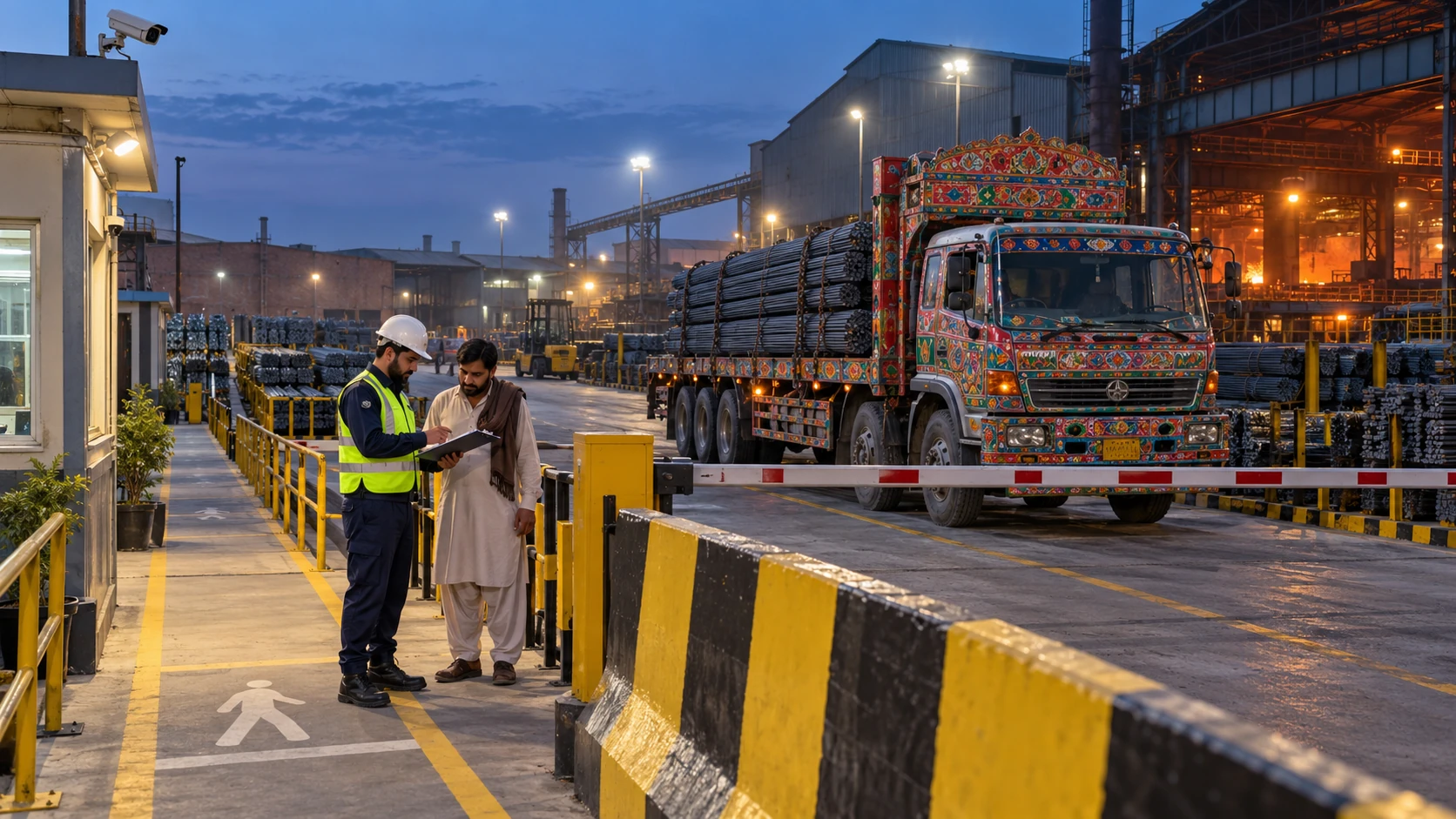
A truck leaving a steel mill should be easy to account for. Its registration, load and dispatch approval should match the records at the gate. When those checks are missing, scrap, finished steel and spare parts can leave without a clear explanation.
For mill owners in Shahdara, security also involves controlling movement around machinery, loading areas and hot production zones. After dark, a guard needs to know which areas are operating, who is authorised to enter and where a patrol can be completed safely.
Effective steel mill security in Shahdara, Lahore starts with written duties that reflect how the premises actually work.
Plan Security Around Your Mill’s Operations
A re rolling mill and a site with its own melting furnace do not have identical requirements. One may receive billets for reheating and rolling, while another handles scrap, melting and further processing on the same premises.
Before assigning posts, review:
- Vehicle and pedestrian entrances.
- Scrap storage, billet stacks and finished steel loading points.
- Weighbridge arrangements, where available.
- Furnace boundaries and restricted production areas.
- Spare parts stores, cable storage and maintenance workshops.
- Night production, contractor visits and shift changes.
The guard deployment should follow this layout. If the main gate must remain staffed, the same person cannot provide continuous gate coverage while patrolling a distant yard.
Scrap Yard Theft Needs More Than a Boundary Wall
Scrap stock changes shape as deliveries arrive, material is sorted and batches move towards production. A pile that looks roughly the same can still have missing material. Visual checks alone cannot establish what has been received, used or removed.
Separate incoming scrap, material awaiting inspection and scrap approved for sale or disposal. Keep tools, cables and reusable components in designated storage rather than mixed with discarded material.
Guards should monitor access and record movement. Stores and production staff should remain responsible for identifying material and reconciling quantities.
Check Incoming Deliveries Against the Receiving Process
Record the supplier, vehicle number, driver details and arrival time. Where a weighbridge is used, link the weighment reference to the delivery record and the receiving employee’s acknowledgement.
A vehicle being admitted does not mean its load has passed technical inspection. Scrap acceptance and furnace suitability must remain with authorised mill personnel.
Require Approval for Outgoing Material
“Scrap hai” should never be enough to release a vehicle.
Whether a load contains saleable scrap, rejected stock, machinery parts or finished steel, the gate record should identify:
- What is leaving and its recorded quantity or weight.
- The vehicle registration and destination.
- The relevant gate pass or dispatch reference.
- The person authorised to approve release.
- The time of exit and the guard recording it.
If documents do not match, keep the vehicle in a designated safe waiting area and contact the nominated manager. Guards should not change paperwork or accept verbal pressure as approval.
Control Furnace Access Without Interrupting Production
A driver delivering material has no automatic reason to enter a furnace bay. A contractor arriving at night needs a named host, a confirmed job and permission to access the relevant area.
At mills with melting operations, access control is especially important. HSE guidance identifies water contamination, including wet scrap entering a furnace, as a cause of molten metal explosions. Scrap inspection and preparation therefore belong within the mill’s technical safety procedures.
Security staff can support those procedures by controlling entry, reporting visible concerns and contacting the responsible supervisor. They should not certify scrap as safe, operate furnace equipment or enter a hazardous zone to investigate.
For reheating furnaces and rolling areas, access boundaries should follow the mill’s own risk assessment. A visitor badge or reflective vest does not replace the required induction, authorisation and task specific protective equipment.
Make Night Patrols Safe and Useful
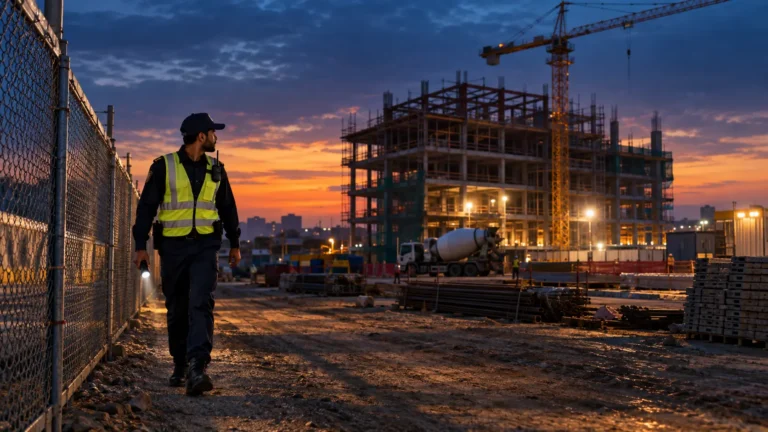
A quiet yard can still contain moving vehicles, hot stock, suspended loads and machinery running inside a shed. Night patrols need approved routes, reliable communication and sufficient lighting.
Keep Patrols Clear of Machinery and Loading Routes
Guards should use designated pedestrian routes and stay outside crane operating areas, loading exclusion zones and vehicle manoeuvring spaces. HSE guidance supports separating pedestrians from workplace vehicles and providing safe crossing points.
A guard should never walk beneath a suspended steel bundle, climb stock to inspect it or step between a reversing vehicle and an obstruction. Directing vehicle movements should be assigned only to personnel trained and authorised for that role.
Report Lighting Failures Before Entering Dark Areas
A torch helps with observation, but it does not make an unlit loading bay safe. Guards should report failed lights, blocked walkways and damaged barriers, then follow the site’s instructions for restricting access or changing the patrol route.
During a power failure, the shift supervisor should confirm operational restrictions. Security should maintain communications and keep emergency routes clear without attempting electrical repairs.
Use Check Ins That Can Trigger a Response
Patrol records should show which approved areas were checked, when the round was completed and what required attention. Agree on a check in schedule and a clear escalation process if a guard fails to respond.
The outgoing shift should hand over unresolved issues such as a damaged fence, a contractor still on site, a vehicle awaiting approval or an insecure store. Those details are more useful than a routine “all clear.”
Protect Spare Parts, Cables and Maintenance Stores
Steel inventory is only part of the exposure. Motors, bearings, tools and electrical components can also leave a site without a complete record.
Keep a controlled key register and require approval for access to stores outside normal hours. When equipment leaves for repair, record its description, identifying details where available, the person collecting it and the return expectation.
On return, the relevant maintenance or stores employee should confirm receipt. A guard’s gate entry documents movement; it does not confirm that a repaired item meets technical requirements.
Give Guards Clear Emergency Instructions
The night team should know whom to contact, how to raise an alarm and where emergency vehicles can enter. Keep the designated access route and assembly areas unobstructed.
For a fire, suspected gas leak, machinery incident or molten metal emergency, guards should raise the alarm, alert the responsible team and control access from a safe position under the site emergency plan.
Technical isolation, rescue and process interventions require competent, authorised personnel. Security arrangements must support the mill’s safety system, with no expectation that guards improvise around furnaces or machinery.
Choosing Security Guards for a Shahdara Steel Mill
Ask a provider how it will cover your entrances, yard and night operations. The proposal should explain post locations, patrol duties, supervision, relief arrangements and reporting contacts.
Useful questions include:
- Who covers the gate when a patrol is underway?
- Who approves material leaving after office hours?
- How are contractor visits verified at night?
- What happens when a guard misses a check in?
- How are unresolved incidents handed over?
Clutch Security Services provides guards, access control, patrolling and supervised deployment for business premises. Explore our security guard services in Lahore to discuss coverage around your mill’s layout and operating schedule.
Frequently Asked Questions
Can guards help reduce scrap theft?
Guards can control access, record vehicle movements and check release authorisations. Effective scrap accountability also requires receiving records, stock reconciliation and management review of discrepancies.
How many guards does a steel mill need at night?
The number depends on entrances, yard size, production activity, patrol distances and relief requirements. A site assessment should establish which posts need continuous coverage.
Should guards patrol inside furnace and rolling areas?
Only where the mill has assessed and approved the route, provided the necessary induction and specified protective equipment. Hazardous production areas should remain restricted.
Do CCTV cameras replace night guards?
Cameras can support monitoring and incident review. Guards handle physical access checks, report problems and coordinate escalation. Camera coverage, lighting and staffing should be planned together.
Arrange Security for Your Shahdara Mill
Share your site location, shift hours, entry points and current concerns with our team. We can discuss guard coverage, material movement checks and reporting requirements for your premises.
Contact Clutch Security Services for a site assessment or call 0300 1267869.